DSEAR Compliance | Risk Assessment, Hazardous Area Classification, Verification & Training

Our DSEAR Compliance Services
We provide comprehensive DSEAR compliance services across the UK, supporting organisations in identifying, assessing, and controlling the risks associated with dangerous substances and explosive atmospheres.
Our approach covers the full compliance lifecycle and is tailored to your specific circumstances, providing personalised and pragmatic solutions. We can support you from the initial DSEAR risk assessment, hazardous area classification (HAC), DSEAR verification, DSEAR assessment peer review and gap analysis, and DSEAR training, through to ongoing process safety management, ensuring your site is safe and compliant.
We don’t just quote regulations and standards - we provide insight on how to apply these requirements to the real world with a clear, concise, and pragmatic approach.
We’re always available to answer your questions, provide guidance, and offer ongoing support to help you maintain compliance and continuously improve your safety practices.
Get in touch to discuss how we can support you.
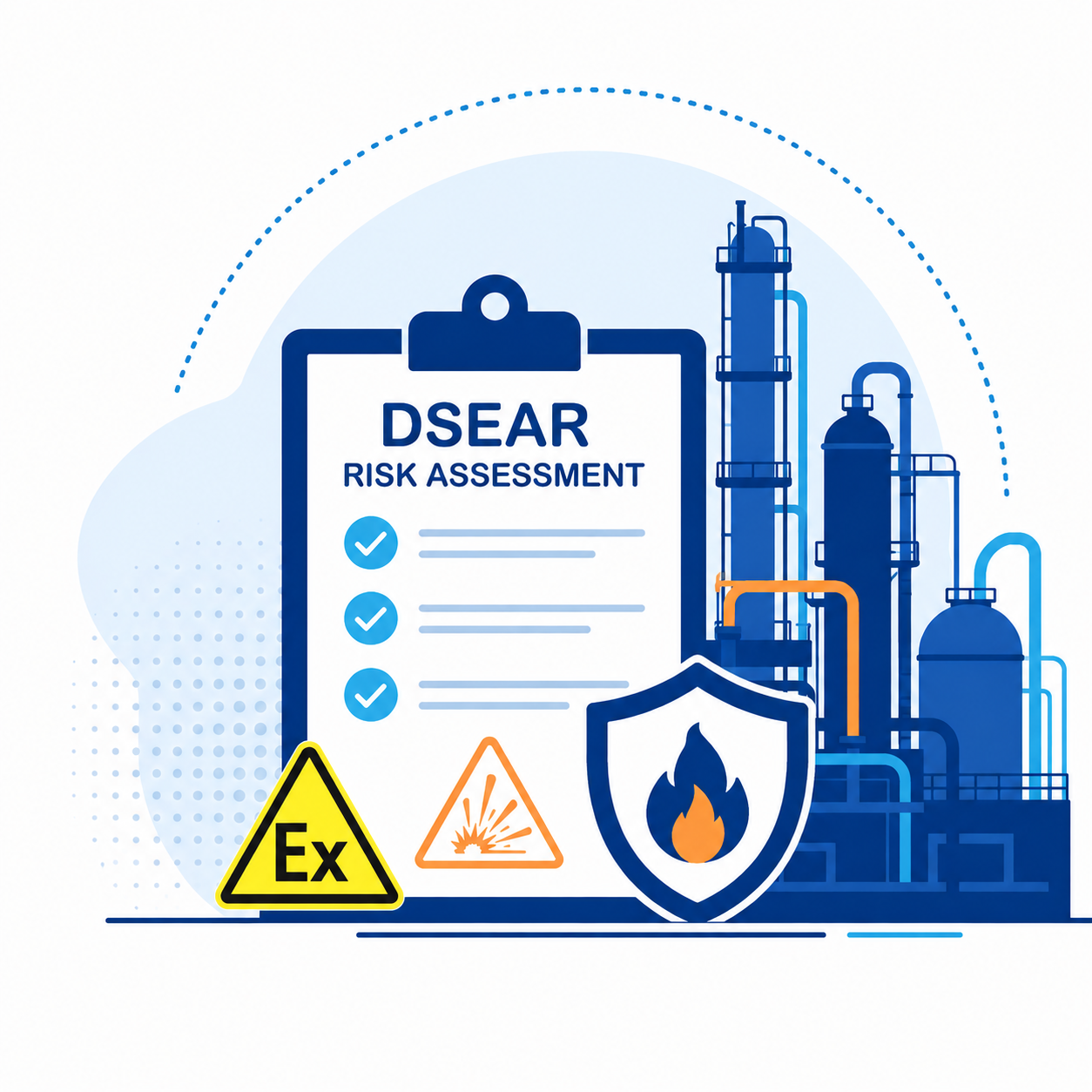
DSEAR Risk Assessment
A DSEAR risk assessment is an evaluation of the likelihood and severity of the hazards presented by dangerous substances in the workplace. The definition of a dangerous substance with some examples can be found here. DSEAR is primarily concerned with the fire and explosion hazards, but an often overlooked requirement is to also assess energy releasing events (such as inert gas cylinders acting as projectiles due to leaks) and corrosion which could lead to a fire, explosion, or energy releasing event.
Learn more about DSEAR risk assessment
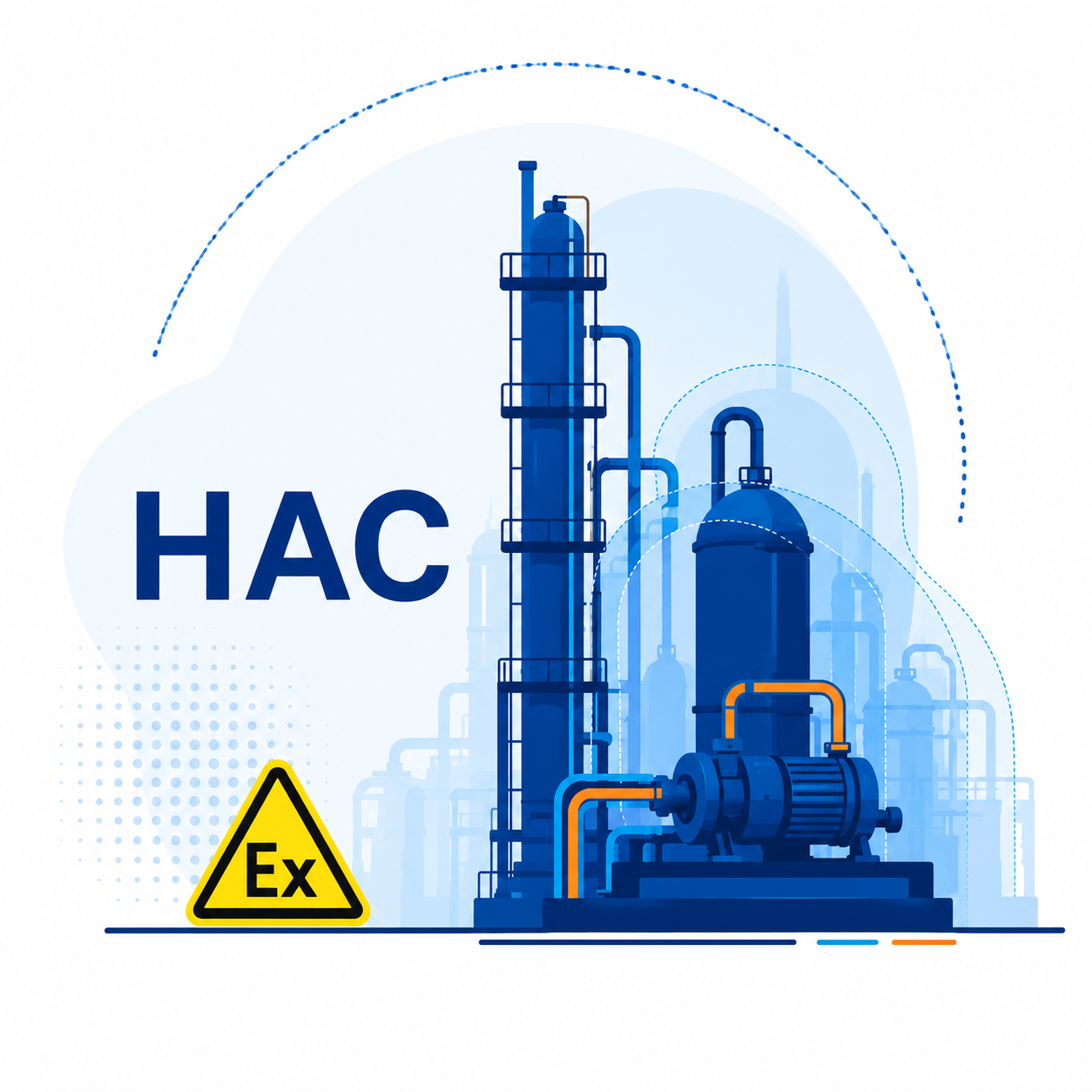
Hazardous Area Classification (HAC)
Hazardous area classification (HAC) is used to identify areas where explosive atmospheres may exist (these are known as hazardous zones or areas), and specify an extent in which ignition sources should be controlled.
Learn more about hazardous area classification
DSEAR Verification
A DSEAR Verification (or DSEAR Verification of Overall Explosion Safety) is a legal requirement under Regulation 7(4) of DSEAR which must be performed before an installation is used for the first time. It applies to any installation where explosive atmospheres may be present. It’s purpose is as a final check on a process to ensure that hazards have been appropriately identified and mitigated to allow its safe operation, and that the facility can operate in line with the requirements of DSEAR.
Learn more about DSEAR verification
DSEAR Assessment Review
A DSEAR gap analysis and peer review provides an independent and objective evaluation of your existing DSEAR assessment and management system to check that it is accurate, compliant, and aligned with industry good practice. A peer review is often requested when organisations are conducting their own DSEAR assessments for the first time and may not be confident in their experience, or if a 3rd party has supplied a generic DSEAR assessment with an item or package of equipment. We are independent and objective, with no affiliations with any equipment manufacturers or suppliers.
Learn more about DSEAR assessment review
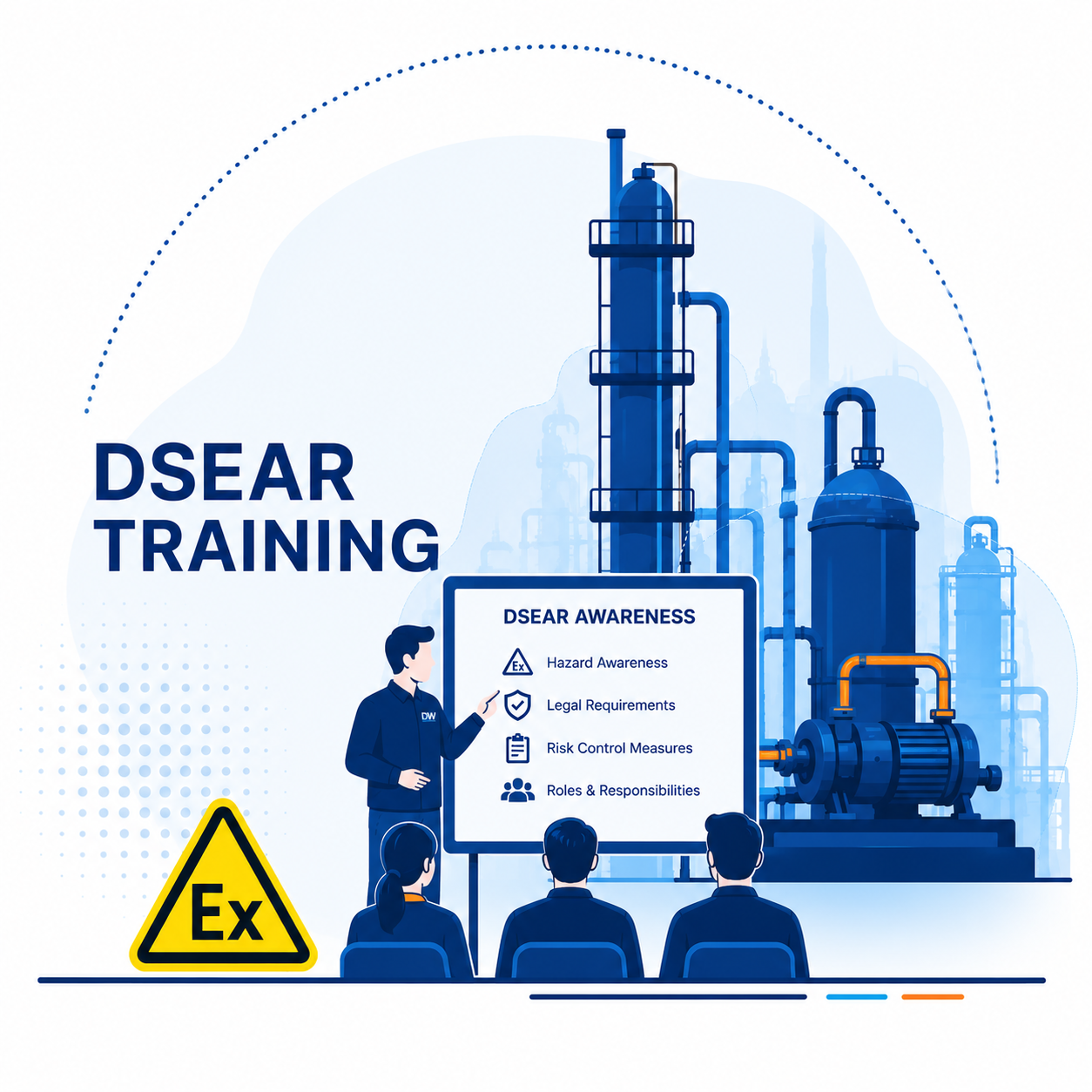
DSEAR Training
Our DSEAR training courses are tailored for shop floor staff (operators, cleaners, maintenance) and management personnel (HSE professionals, engineering managers, project managers, team leaders) ensuring all levels of your organisation understand their responsibilities and how to manage risks effectively.
What is DSEAR Compliance?
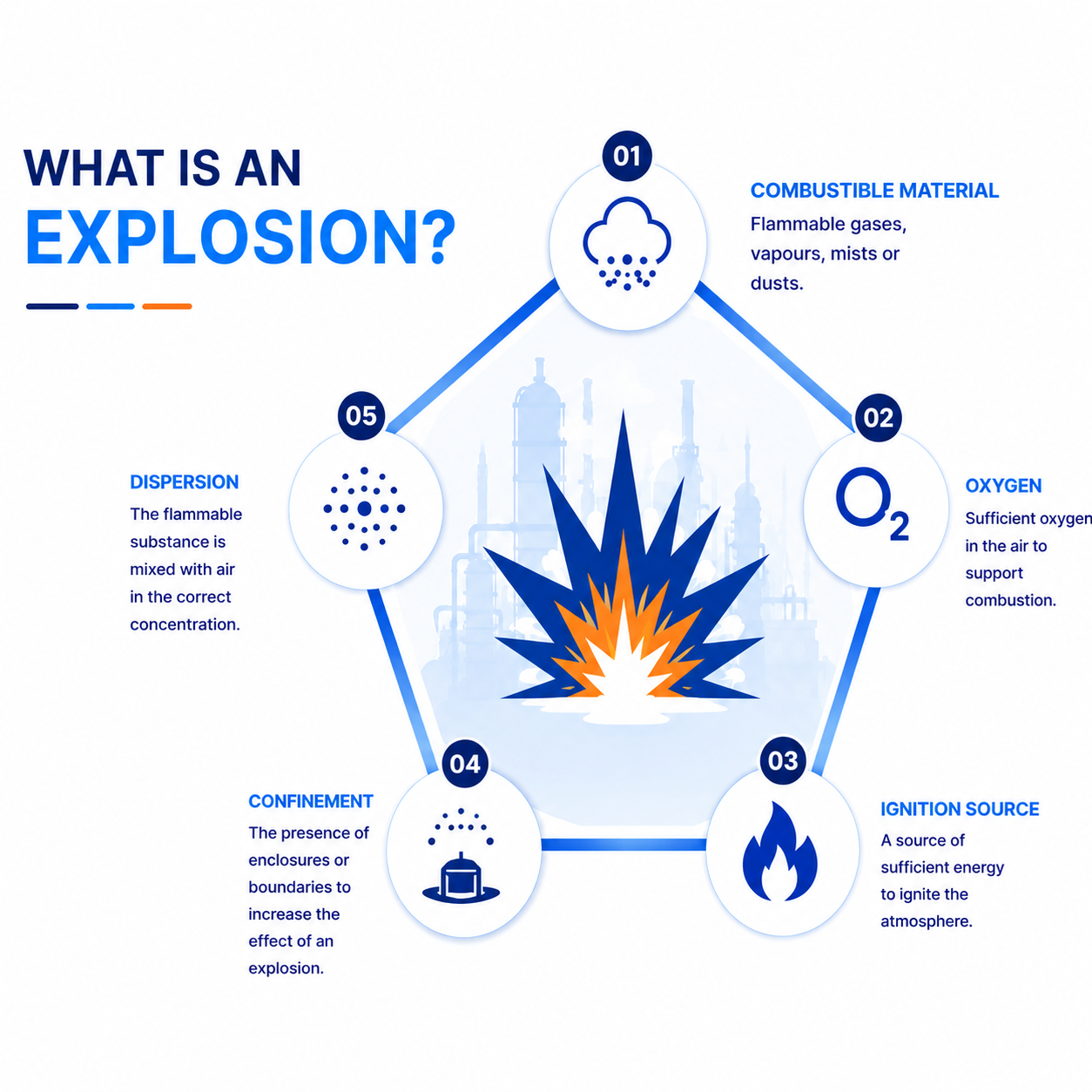
DSEAR, which stands for Dangerous Substances and Explosive Atmospheres Regulations 2002, is a set of regulations in the United Kingdom that aims to protect workers and others from the risks posed by dangerous substances and explosive atmospheres. DSEAR places legal responsibilities on employers and duty holders to assess and manage these risks effectively.
The primary goal of DSEAR is to prevent fires and explosions that could cause harm to your people. It covers a wide range of industries and workplaces where dangerous substances are present or created, including manufacturing plants, food and drink factories, chemical facilities, laboratories, energy centres, warehouses, and more.
Compliance involves:
Identifying dangerous substances and processes
Assessing the risk of fire and explosion (DSEAR risk assessment)
Classifying hazardous areas into zones (hazardous area classification)
Implementing control measures to reduce risk
Verifying that equipment and installations are safe (DSEAR verification)
Ensuring that suitable Emergency Response Plans are in place
Training personnel to understand the hazards at their workplace, and their role in managing them
Ensuring an appropriate management system is in place
A structured approach to DSEAR compliance improves safety, reduces risk, and supports efficient operations. Find out more here.
Industries We Support
We provide DSEAR compliance services across a wide range of industries where dangerous substances and explosive atmospheres may be present. Our approach is tailored to the specific risks, processes, and regulatory requirements of each sector.
Food & Drink
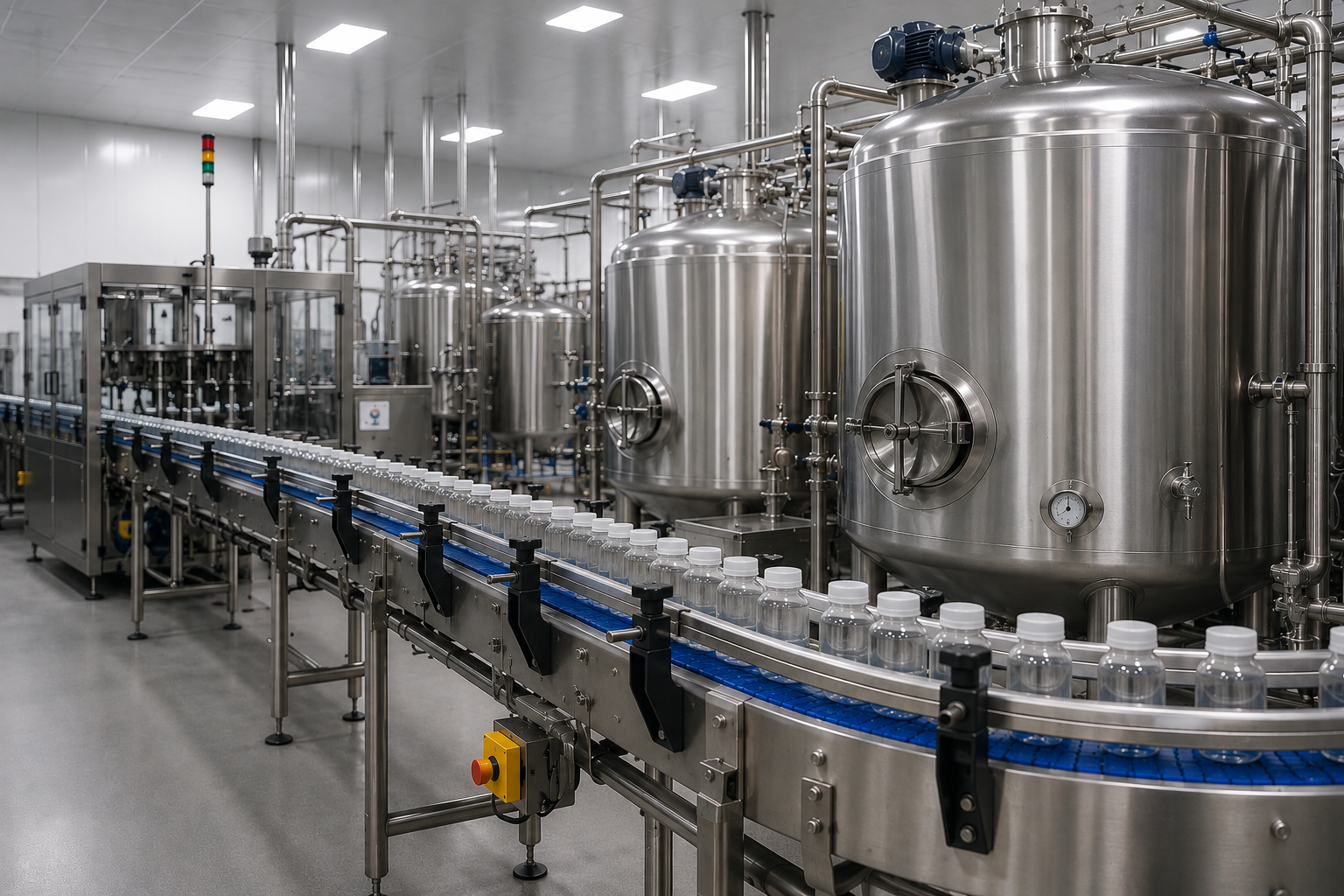
We specialise in supporting sites with bulk material handling processes with their hazardous area classification, DSEAR risk assessment, DSEAR verification and training. The most common hazard in this sector is the presence of combustible dusts, but flavourings, natural gas, gas cylinders, and refrigerants are also usually present.
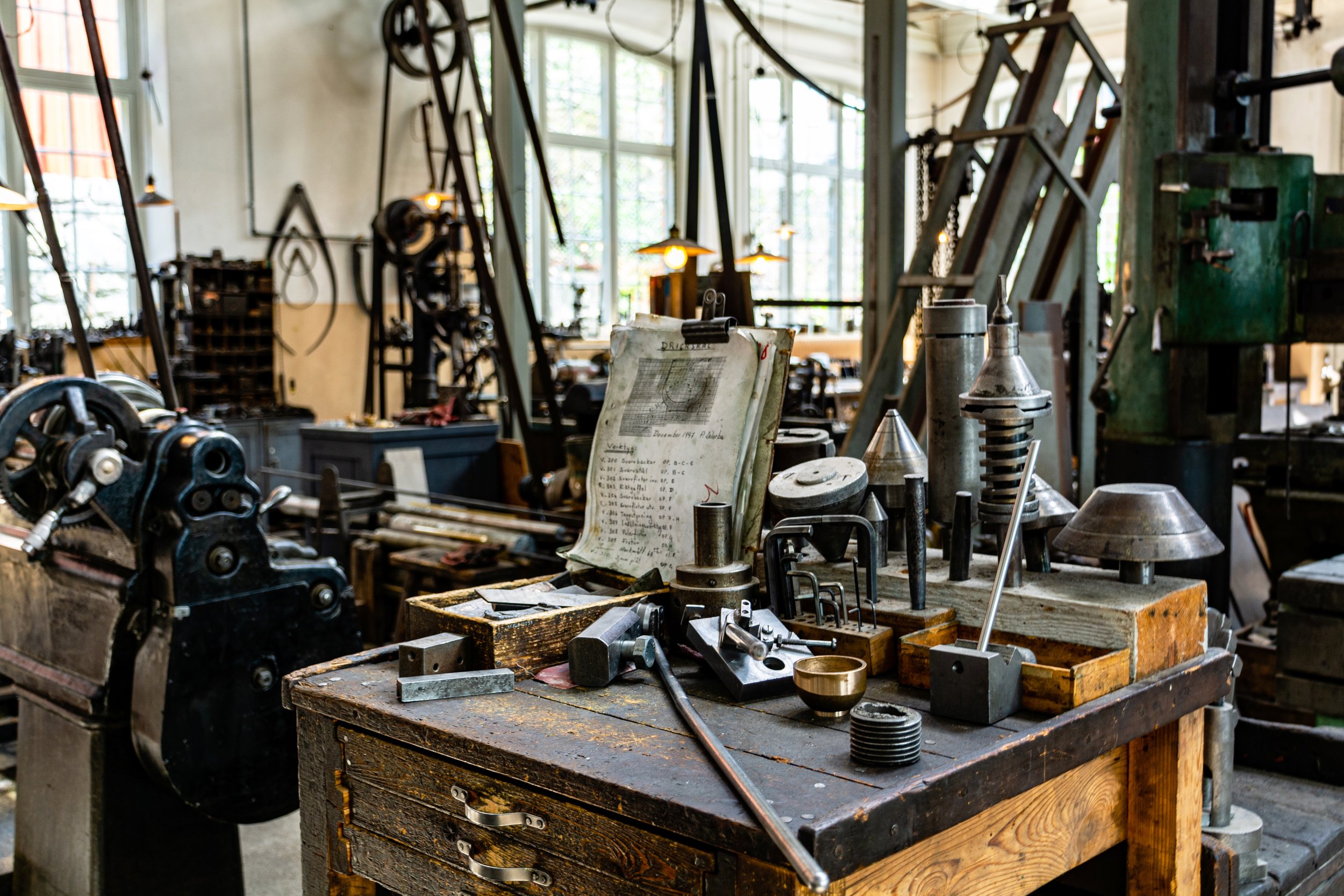
A common challenge in this sector is ageing legacy equipment which predates DSEAR and ATEX. We provide pragmatic solutions to achieve compliance with DSEAR in a cost-effective way.
Energy from Waste
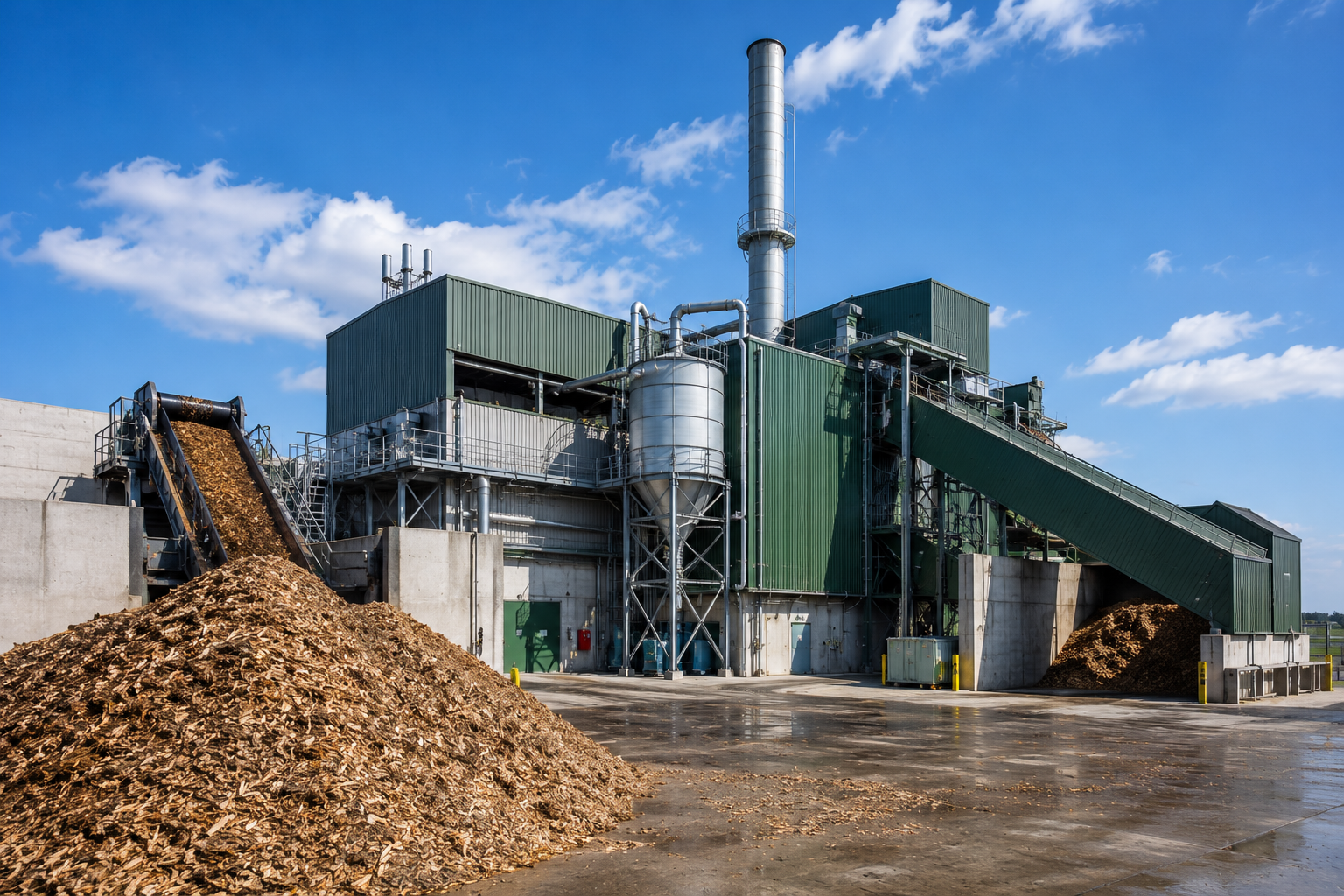
Energy from waste can present unique challenges due to the variety and variance in the feedstocks used. Our experience in conducting hazardous area classification, DSEAR risk assessment, DSEAR verification and training at sites across the UK will help you manage these hazards and achieve compliance.
We can help you manage your hazards across biomass, anaerobic and aerobic digestion, and landfill gas (LFG) facilities.
Manufacturing
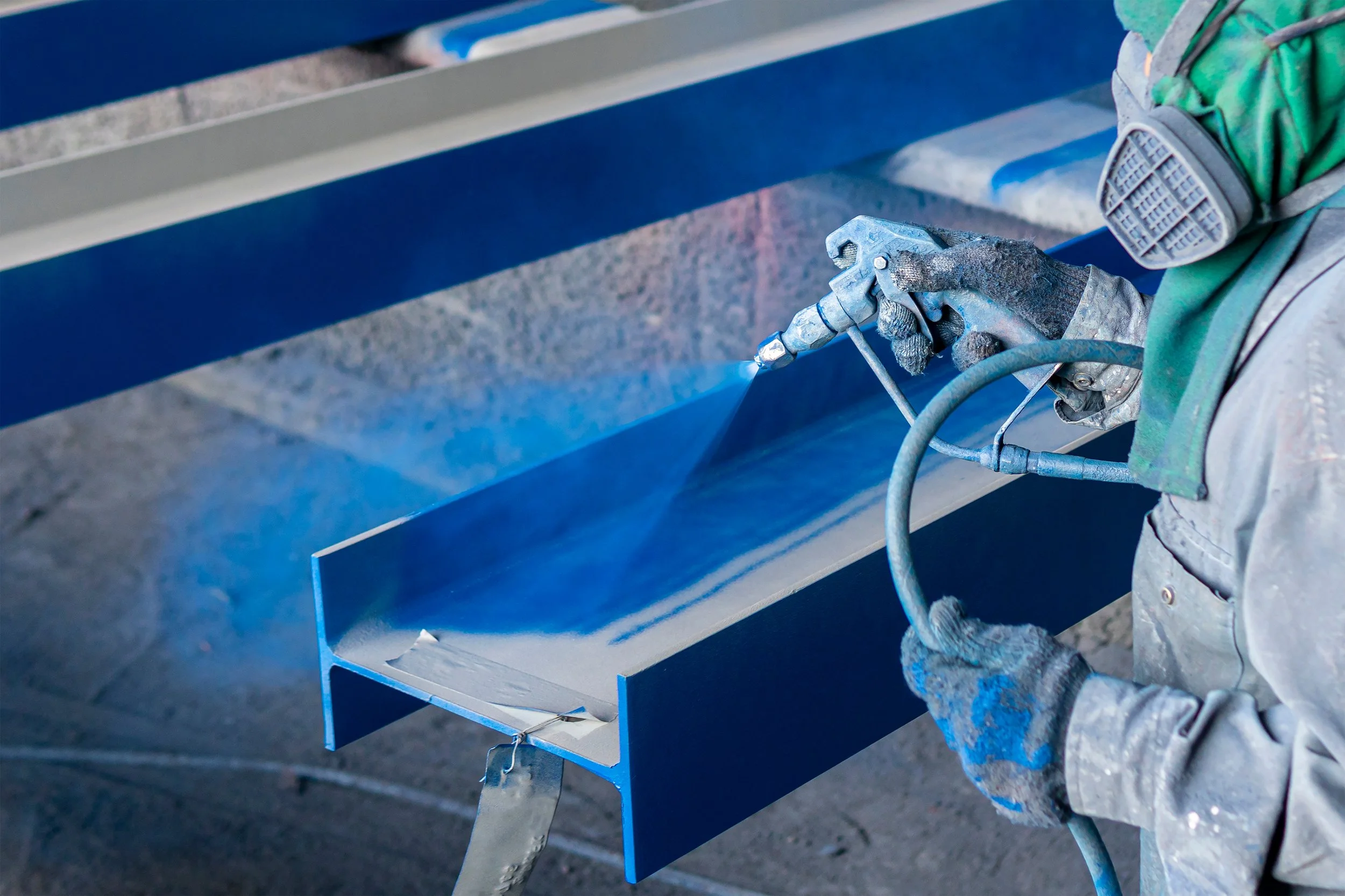
We have a huge breadth of experience conducting hazardous area classification, DSEAR risk assessment and training across the manufacturing sector, including: inks, printing, automotive, aerospace, plastics, paper, recycling centres, and sawmills.
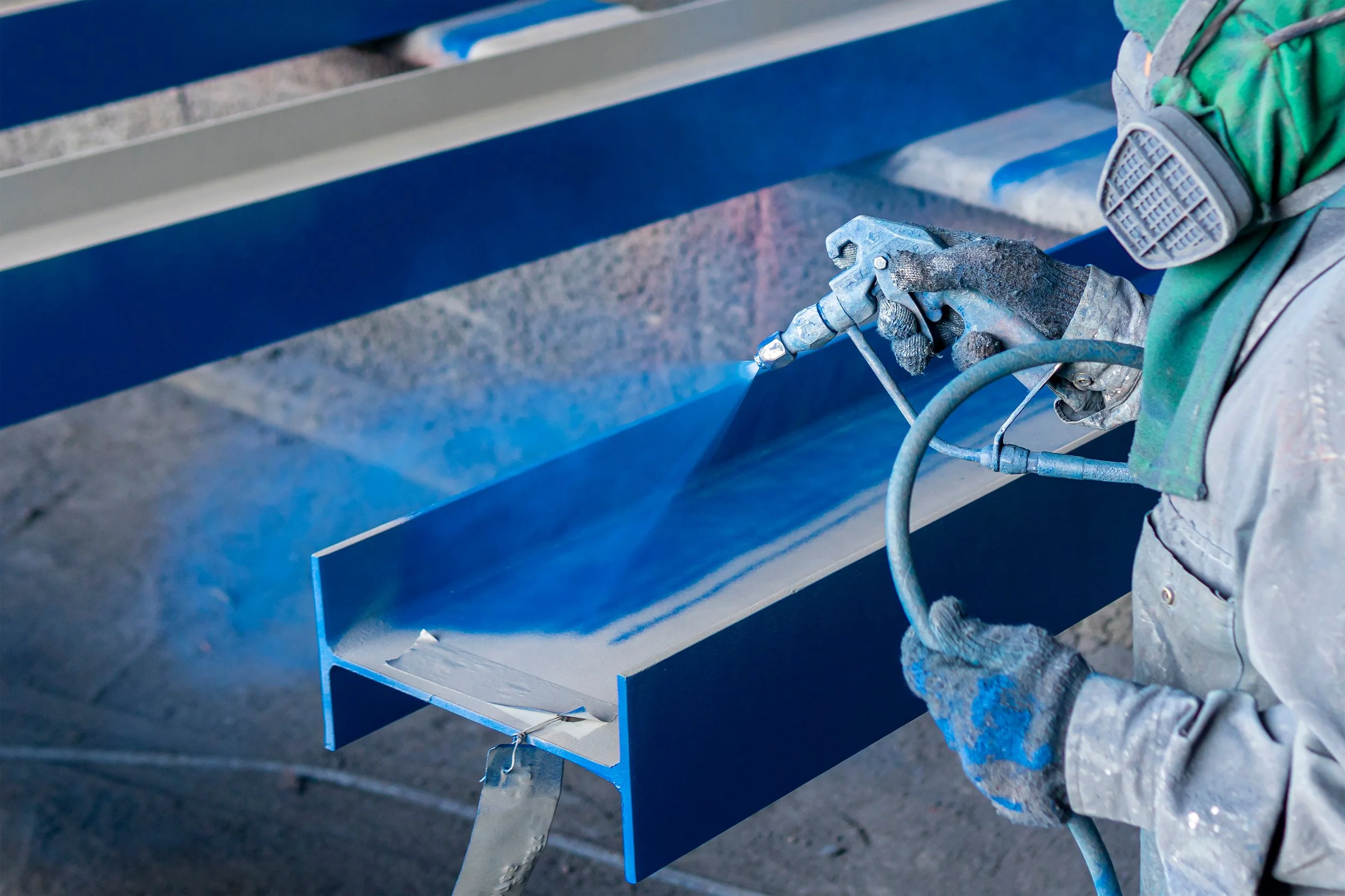
These facilities often have a wide range of hazards, such as powder coating, spray painting, metal dust collection, shot blasting, and solvent use.
Our experience in conducting pragmatic hazardous area classification means we accurately classify your hazardous zones, minimising or eliminating the need for expensive ATEX equipment.
Waste Water Treatment
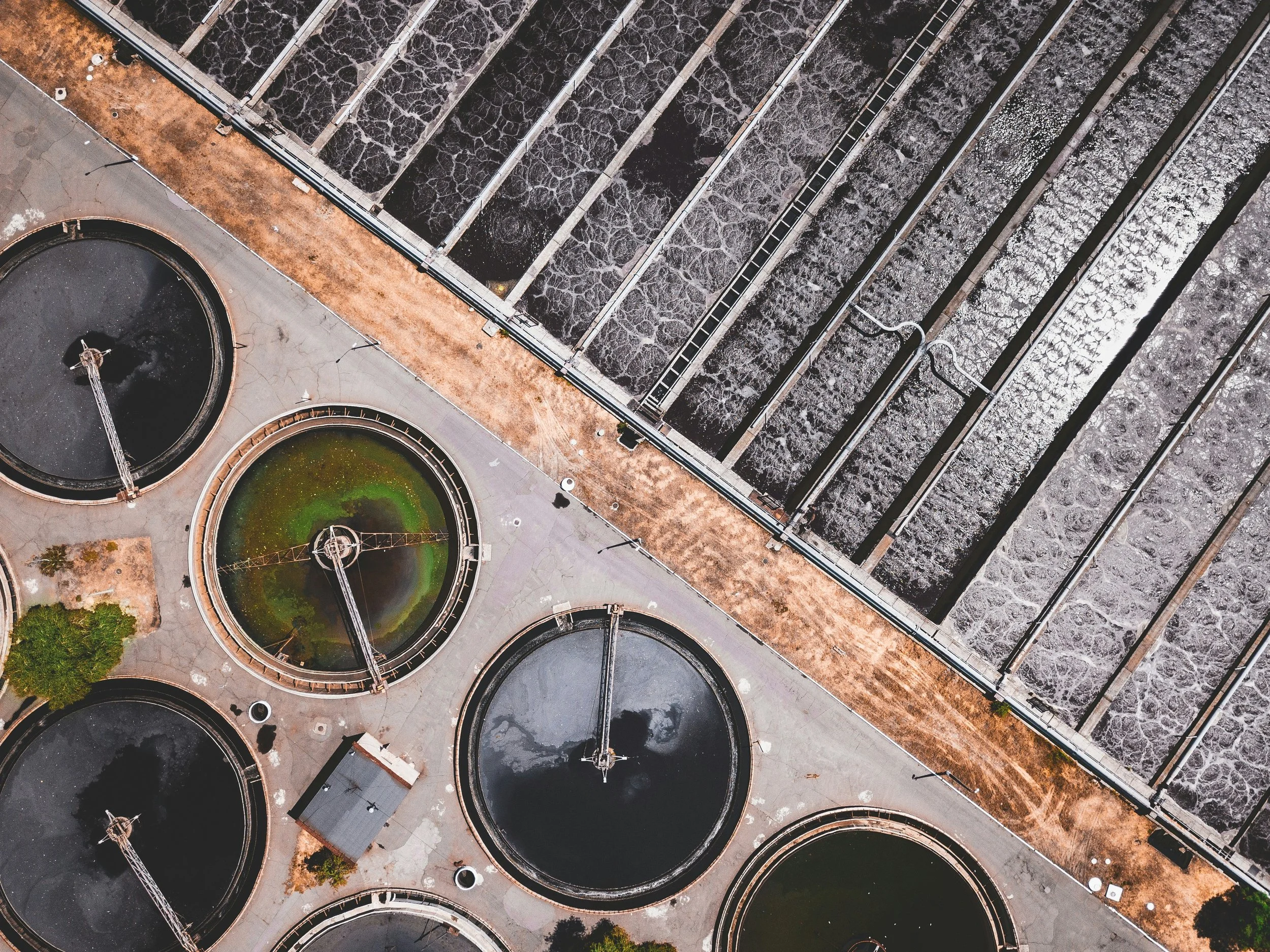
Although hazardous area classification is often carried out in-house by the utility provider, we carry out DSEAR risk assessments, DSEAR verification and gap analysis studies across the UK to ensure compliance with DSEAR and industry good practice.
We can also produce professional hazardous area classification drawings for waste water treatment processes. This provides clarity on the extent of your hazardous zones, and allows personnel and contractors working in the area to clearly see where ignition sources should be controlled.
Energy Centres
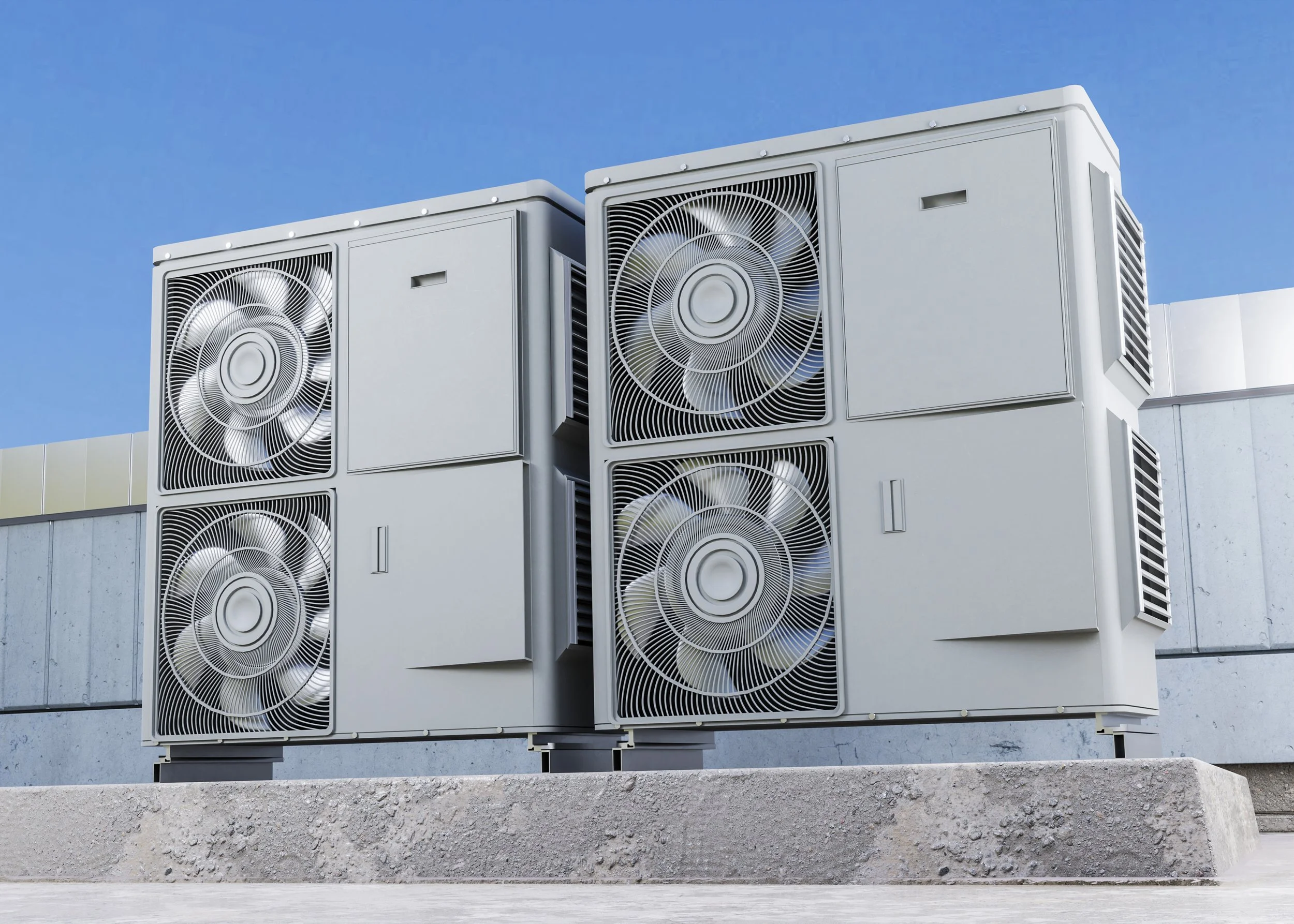
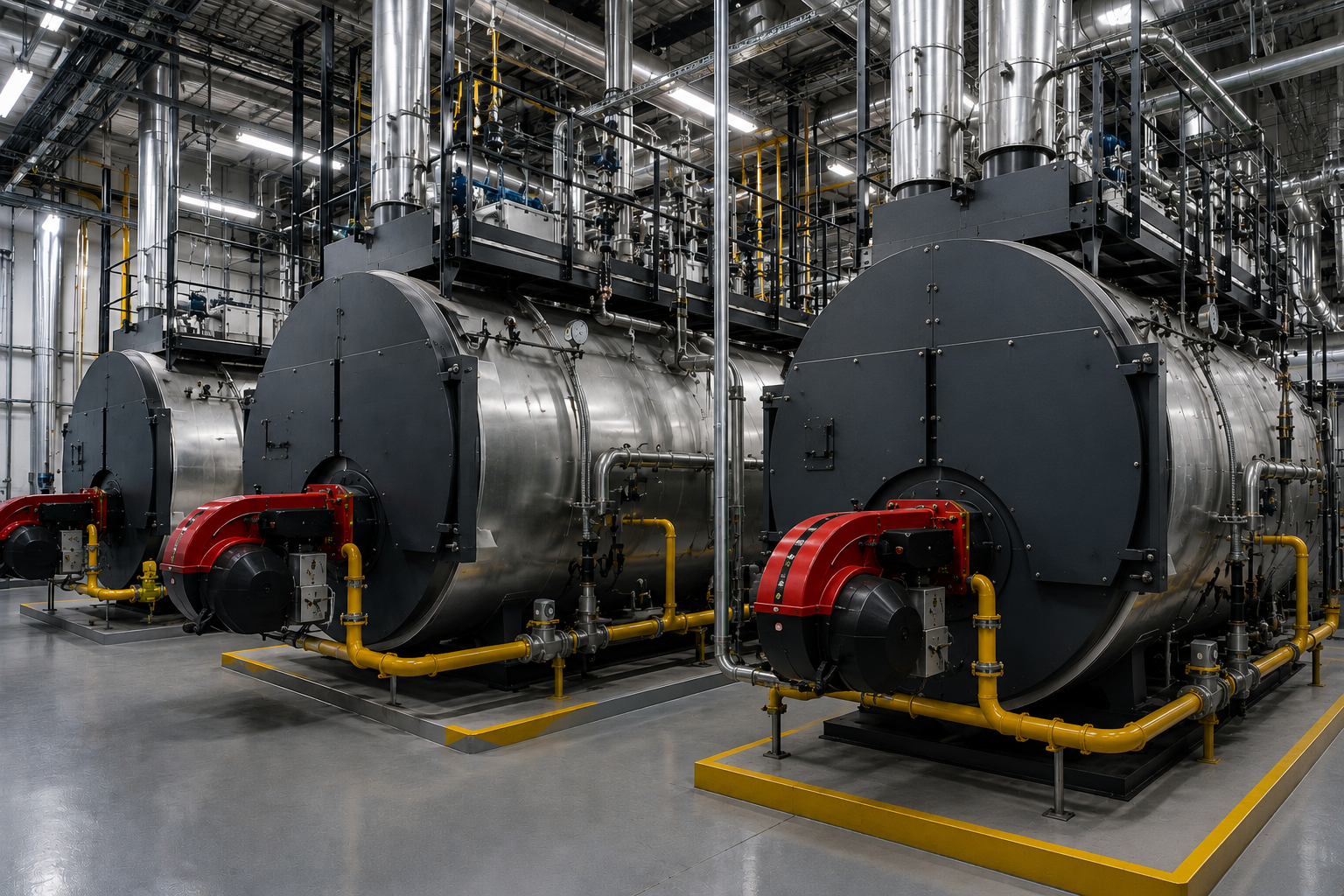
Energy centres are found across industry and in residential areas, which can provide unique challenges due to space constraints.
The basis of safety is typically providing dilution ventilation to keep any fuel release below its flammable limit, along with rapid gas detection and supply isolation.
We use relevant industry guidance for hazardous area classification to ensure compliance, such as IGEM/UP/16 and IGEM/SR/25 for natural gas and hydrogen, EI 15 for diesel and heavy oils, and EN 60079-10-1 for other gases.
Battery Recycling
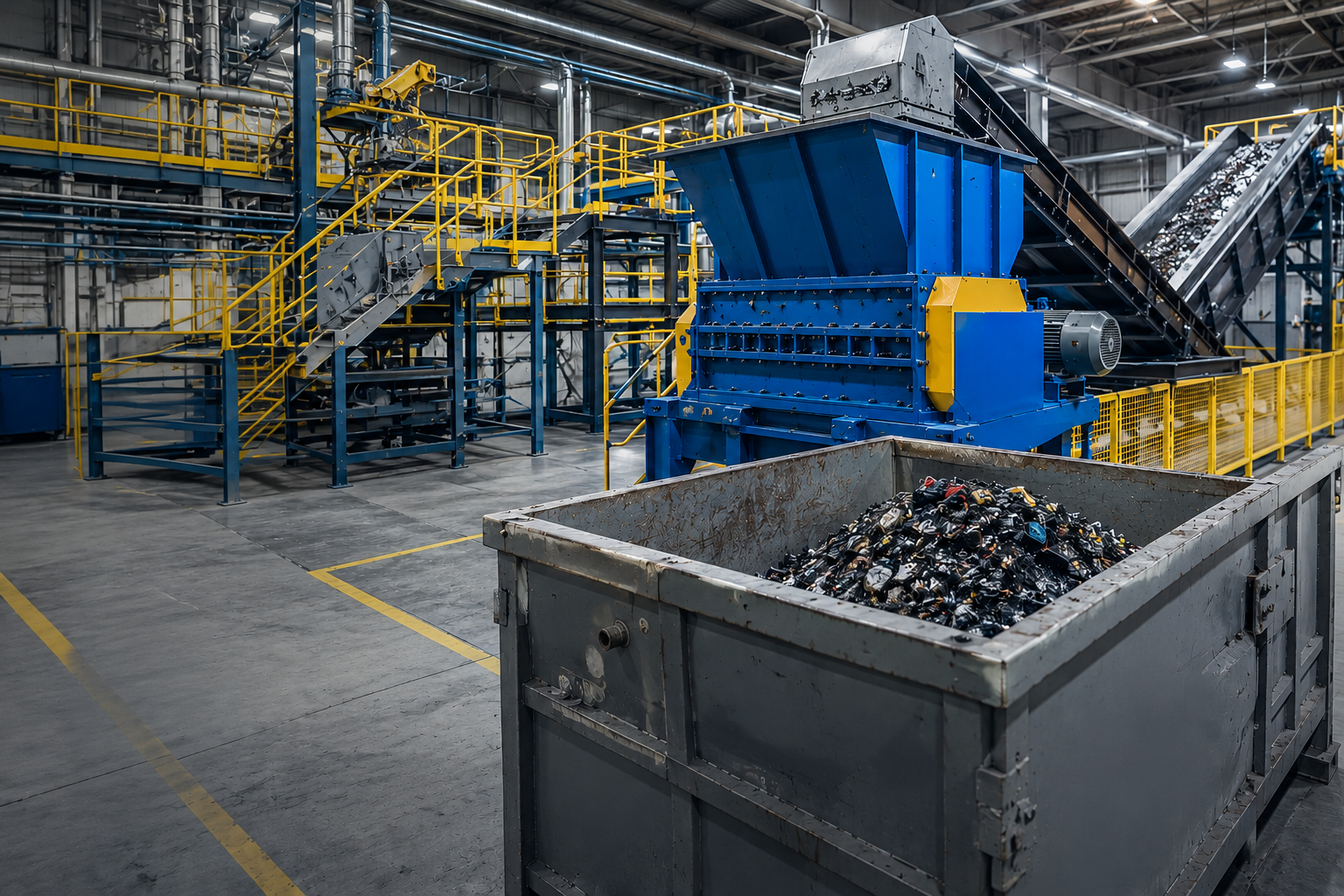
Battery recycling facilities are becoming more commonplace throughout the UK. The black mass created from recycling Li-ion batteries is combustible, and the shredding process presents a unique set of DSEAR compliance challenges, often with limited guidance available.
Our experience with hazardous area classification and DSEAR risk assessment allows you to effectively manage your battery recycling hazards and achieve compliance.
Our experience across these sectors ensures that DSEAR risk assessments, hazardous area classification, DSEAR verification, and training are performed in line with current good practice, helping you achieve compliance and a safe workplace.
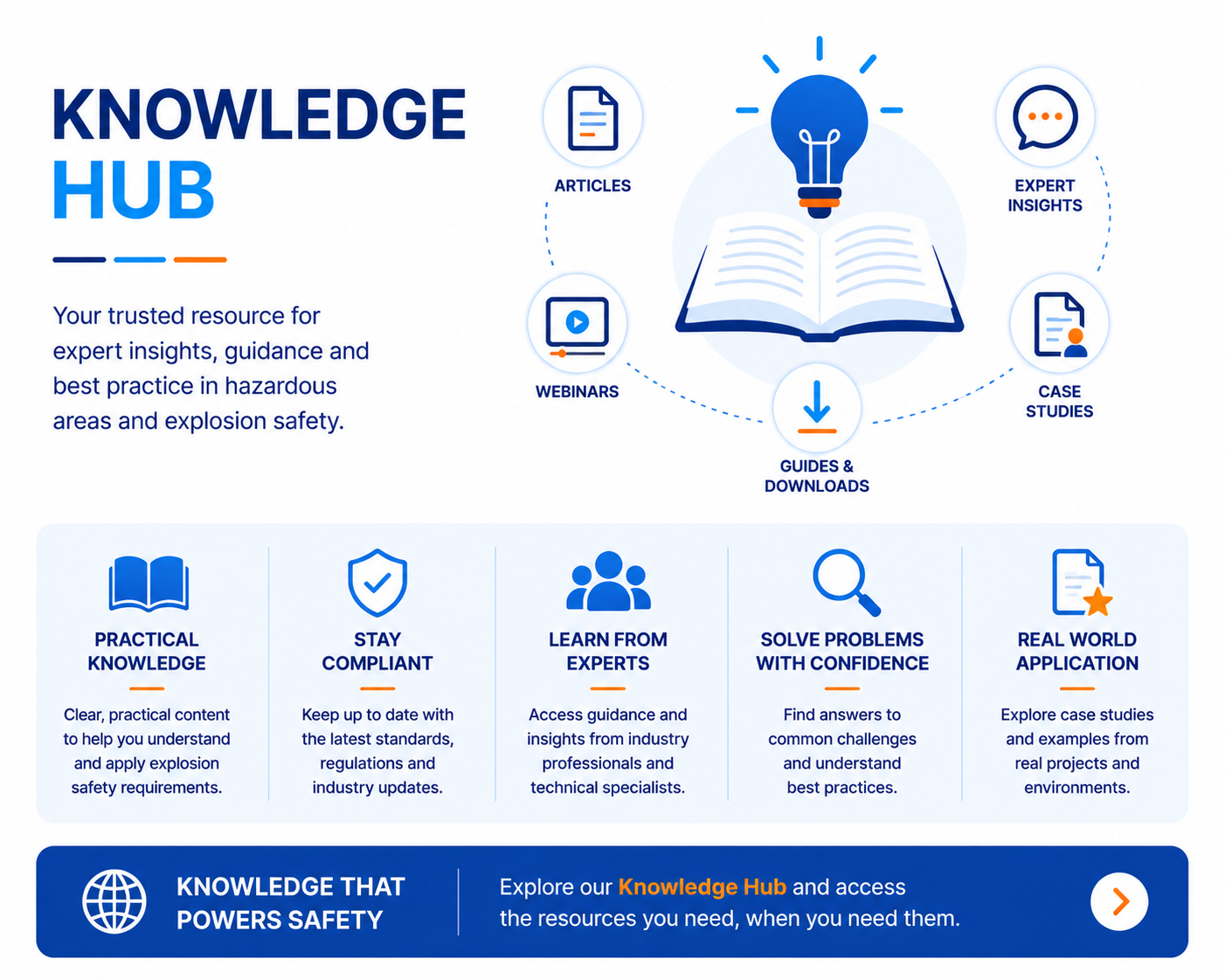
Knowledge Hub
Our Knowledge Hub provides practical guidance on DSEAR compliance, hazardous area classification, explosion risk management, and process safety.
Explore expert articles covering the fundamentals of DSEAR, hazardous areas, risk assessment, explosion behaviour, and case studies to support safer and more informed decision-making.